Becoming more independent through project progress
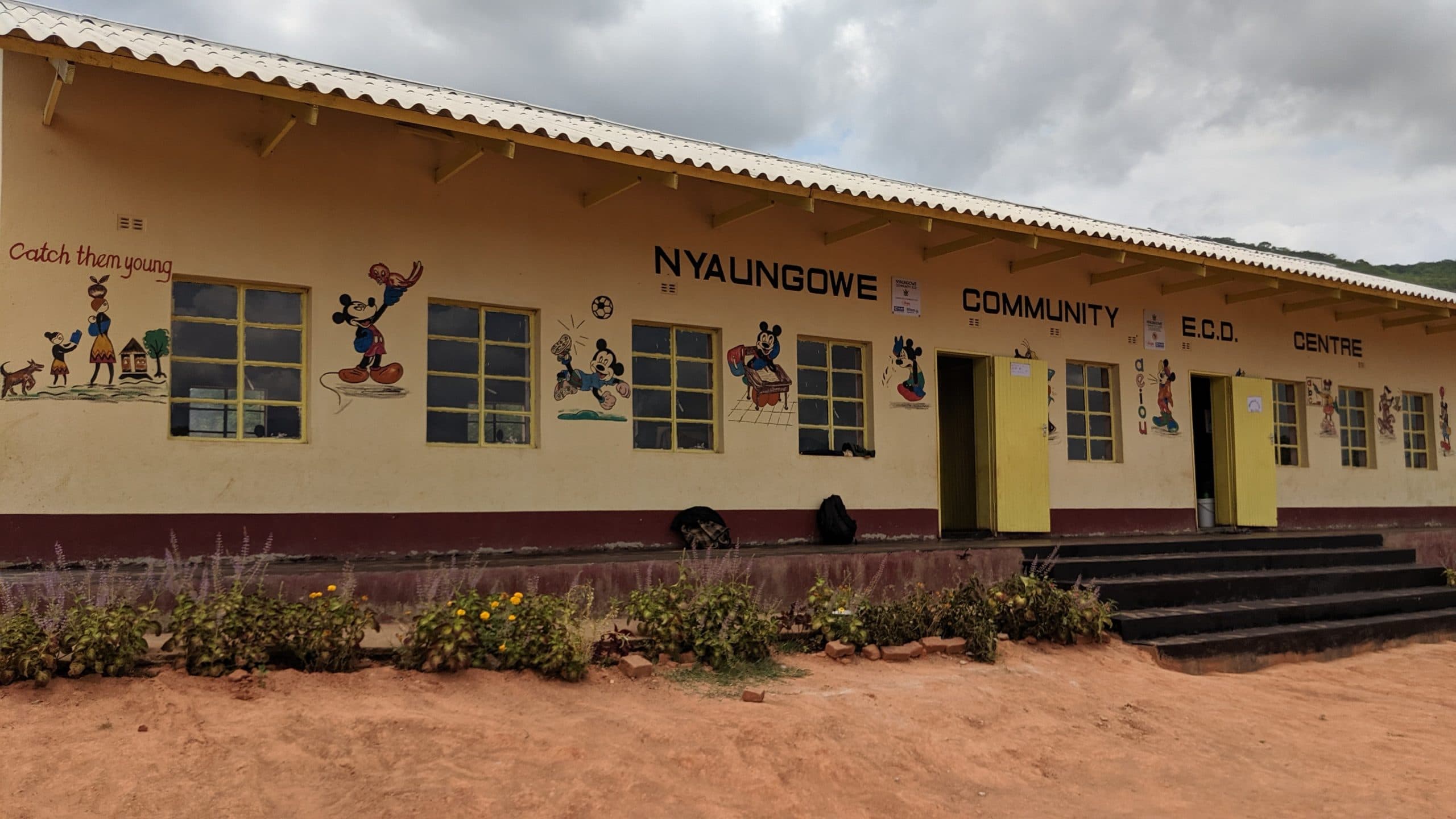
Together with Stiftung Hilfe mit Plan, Stiftung steps for children supports communities at two locations in Zimbabwe by constructing ECCD centres and implementing income-generating measures.
The “triple challenge”
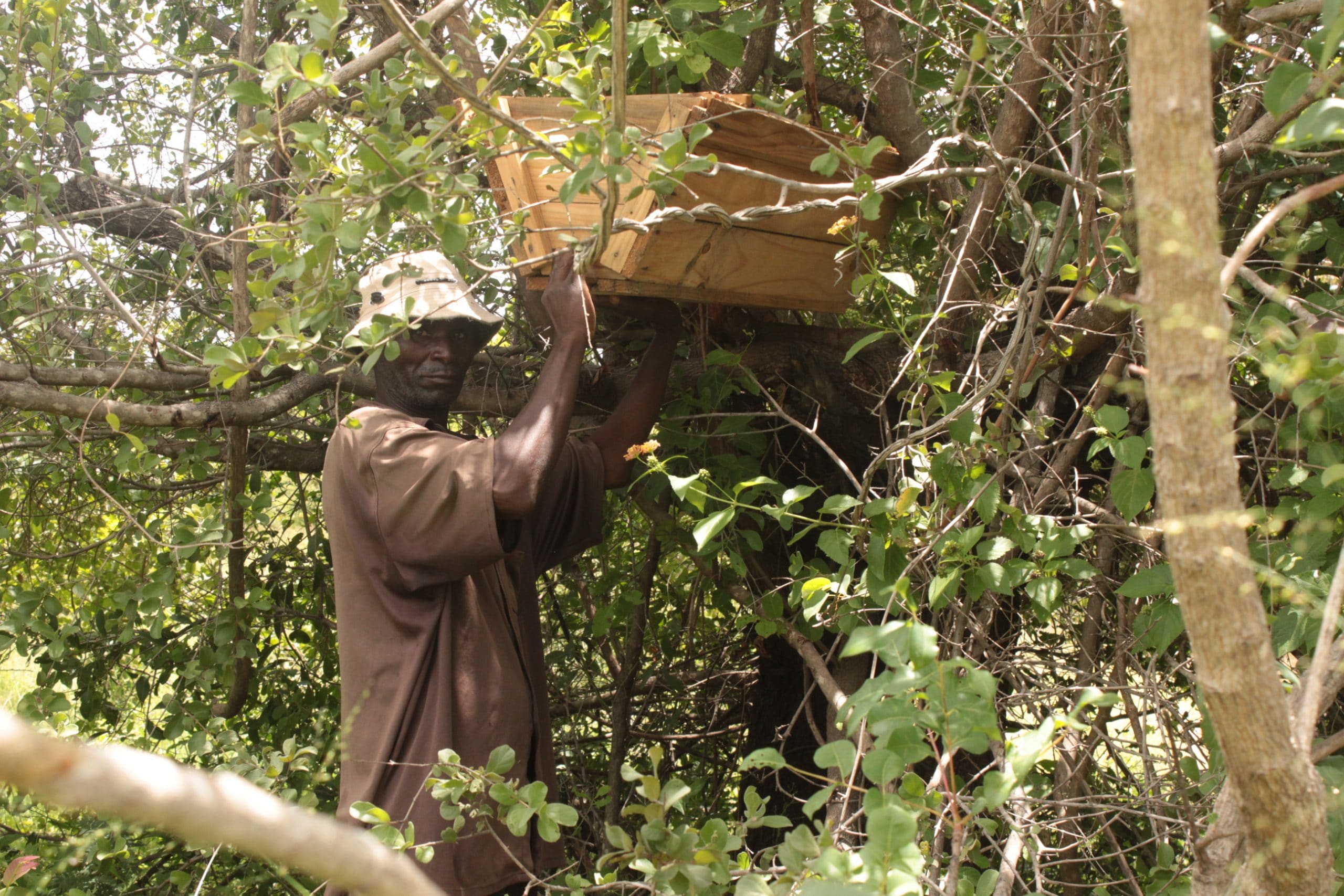
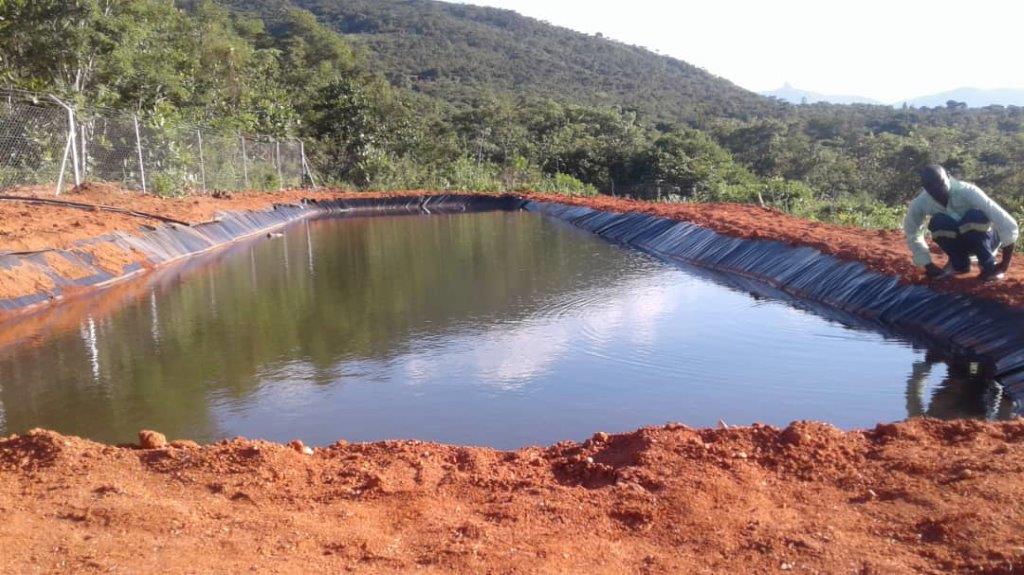
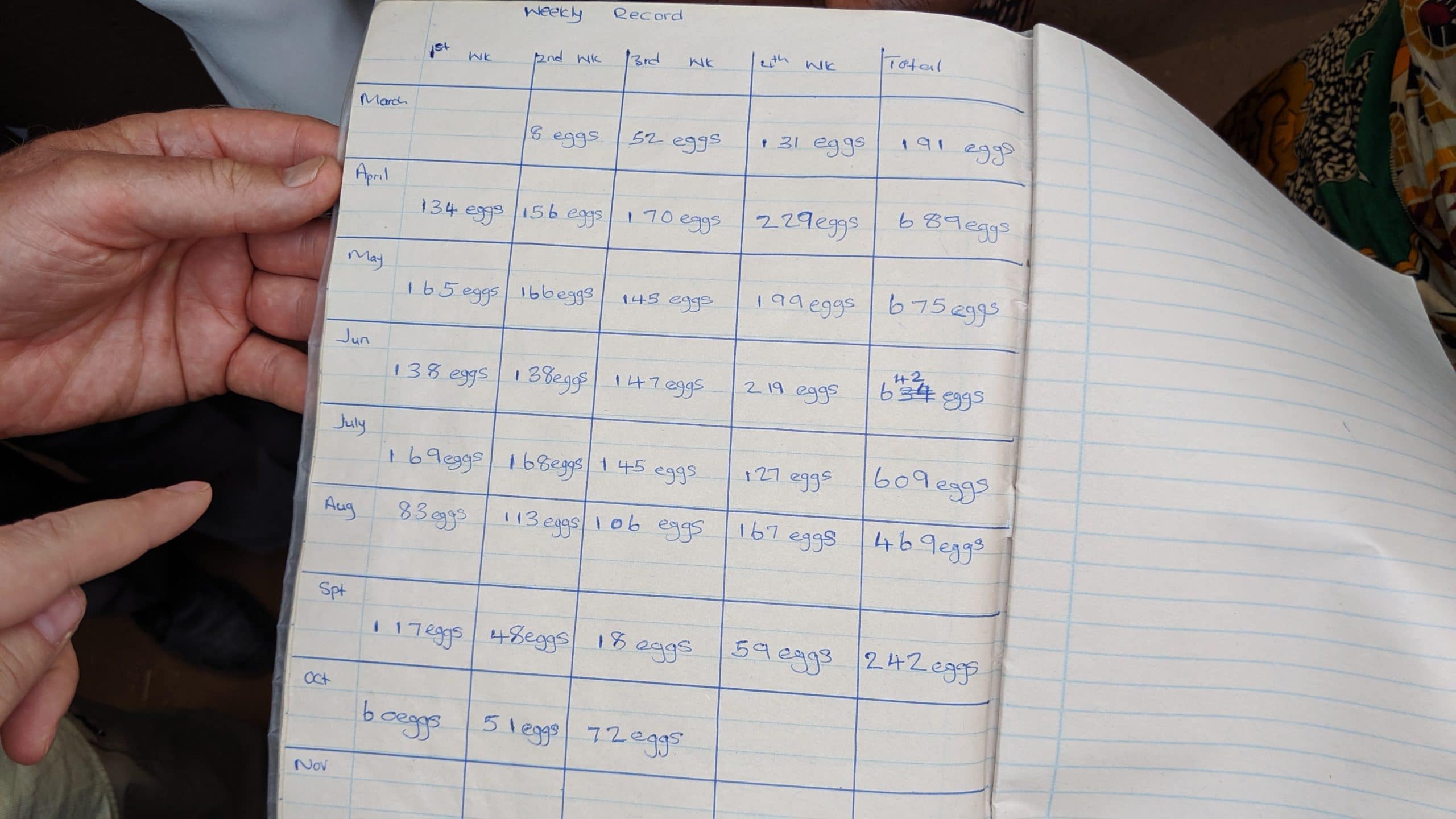
The situation in Zimbabwe has also deteriorated dramatically, similarly to Namibia. There are also more than 6,500 cases of infection here. Hyperinflation is causing additional economic hardship, compounded by the droughts of recent years, which are further worsening the food situation. On top of this comes the coronavirus crisis – Angela Muriithi, Country Director of Plan International Zimbabwe, speaks of a “triple challenge”. Anyone who can is fleeing to rural areas and hoping to find something to eat there. This shows how important and right it was to invest in income-generating steps such as fish ponds, poultry farming and beekeeping, as these are now helping the communities to survive.
We are proud of the project successes to date at the Mutare and Mutasa sites, which are constantly evolving and are already being supported by the initiative of the community members.

Income through fish farming, poultry farming and beekeeping
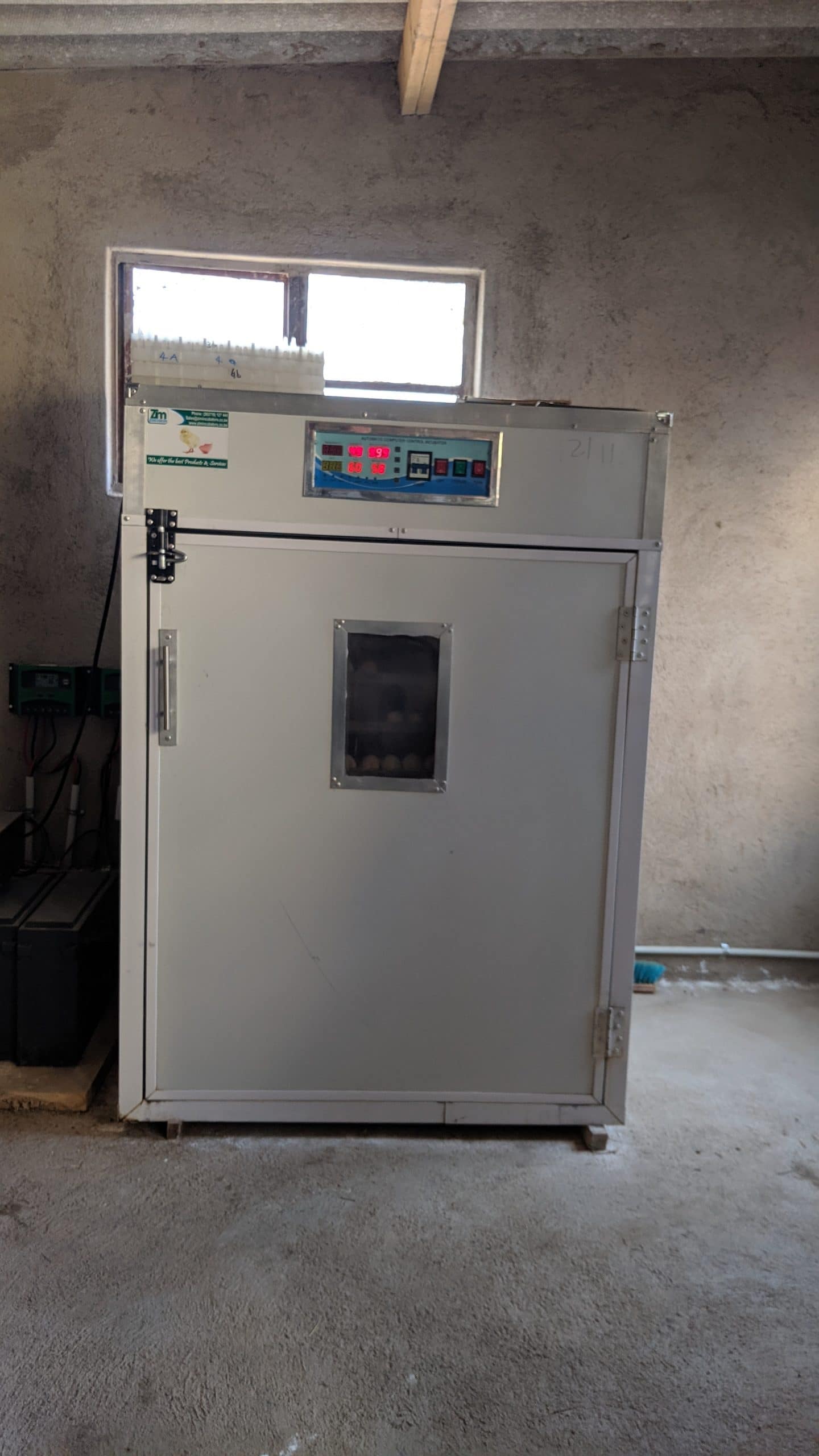
Two fish ponds have now been completed. The purchase of a solar-powered incubator makes it possible to hatch 1,040 eggs at the same time. This supports the Mutsago community, which is focusing on poultry farming. In addition, courses on starting businesses were offered, attended by 450 community members. The challenges and successes of the projects were discussed here, among other topics.
Through meetings with all the founders of animal husbandry and vegetable cultivation from the region, we learnt about the urgency of training in animal feed production, as the inflation rate for animal feed has now become too high and is no longer sustainable for the communities.

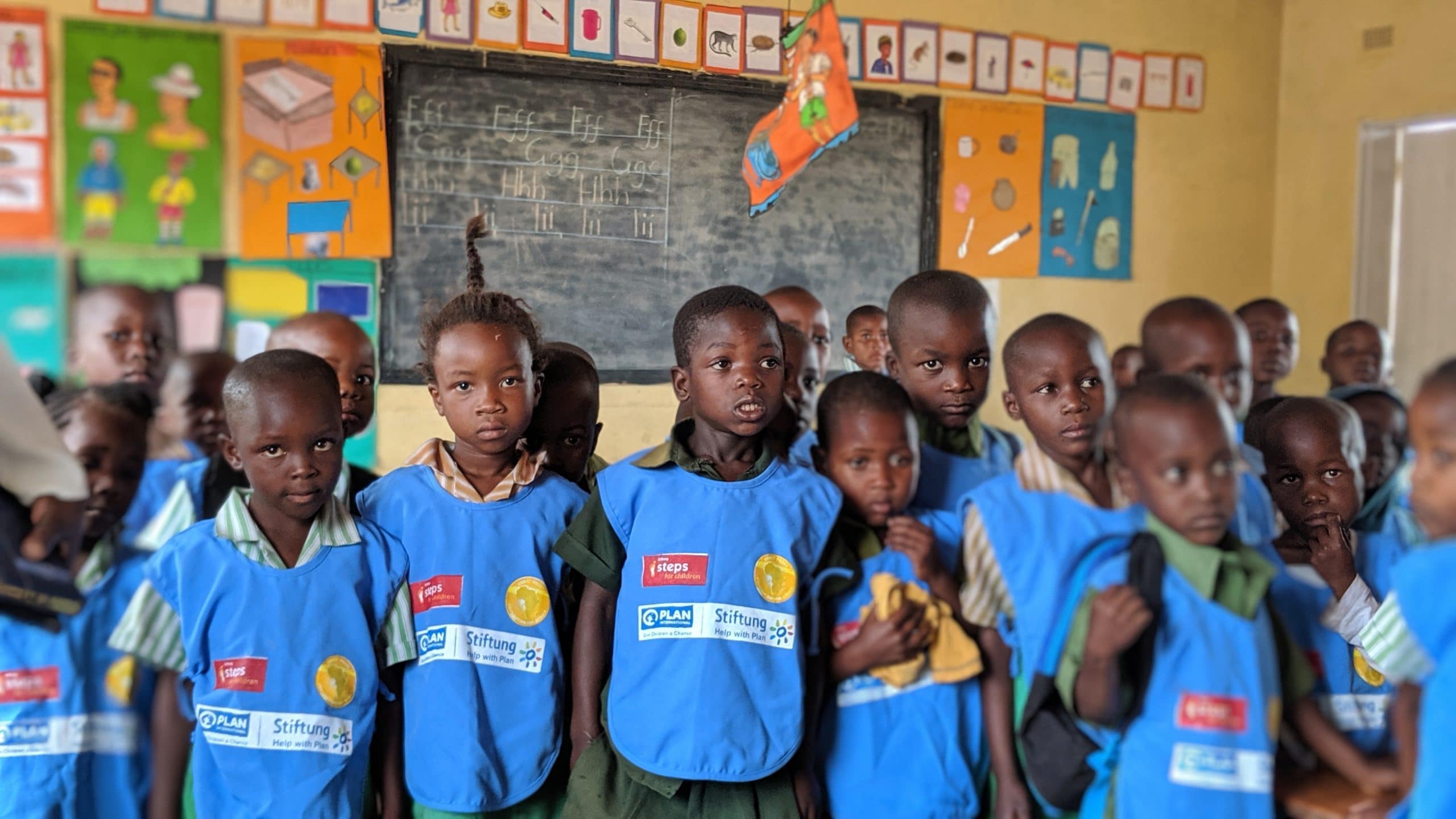
Completion of the 4 ECCD centres with soup kitchens and vegetable gardens
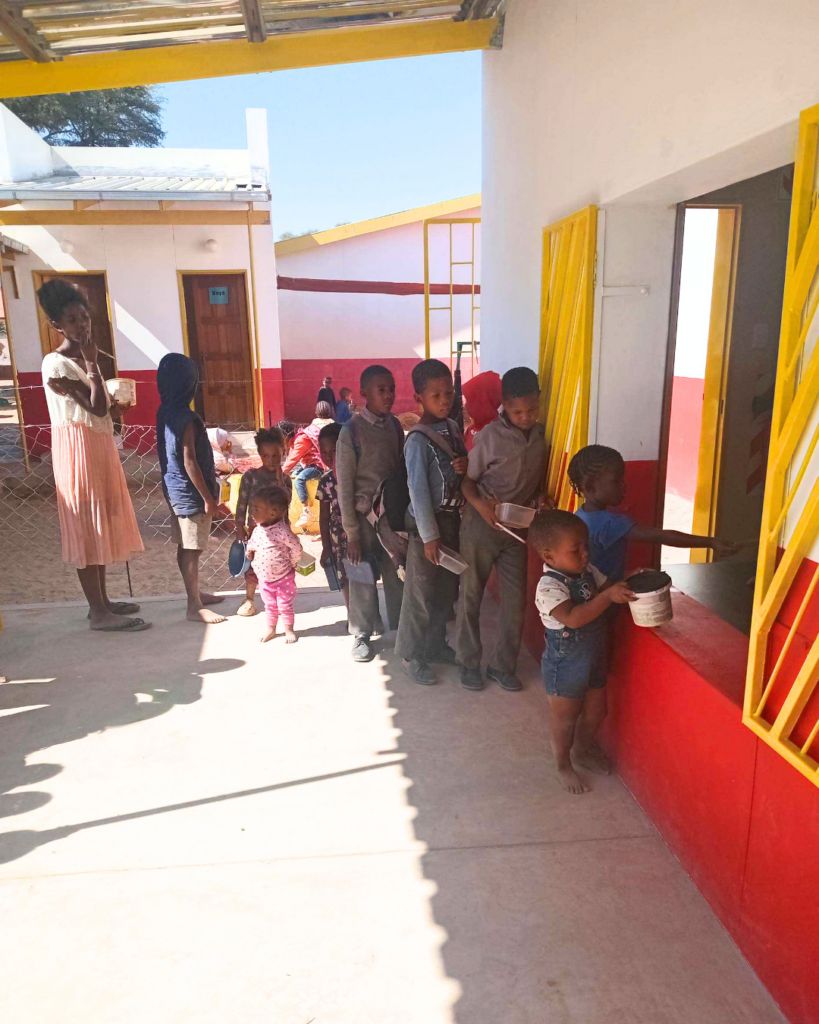
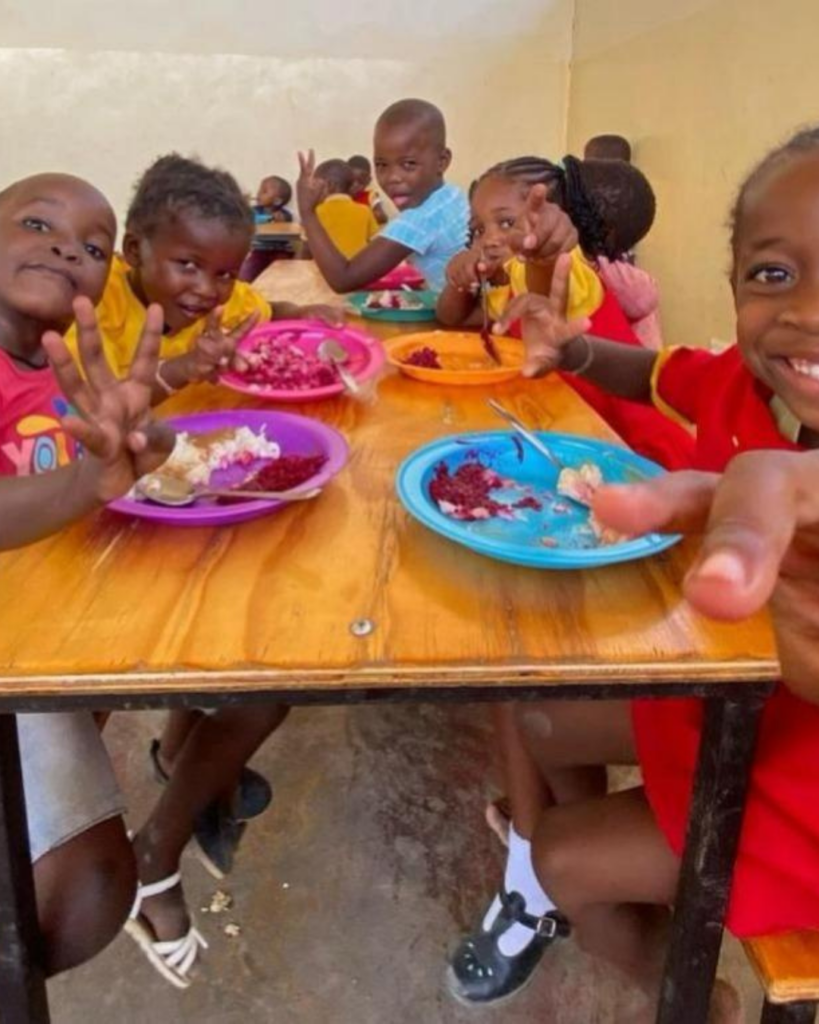
The children in the Early Childhood Care and Development Centres are provided for by the adjacent vegetable gardens. Volunteer community members help to cook and distribute the fresh and healthy meals. The vegetable gardens, which include tomatoes, onions, carrots, cabbage and beans, are grown and tended by the children themselves.
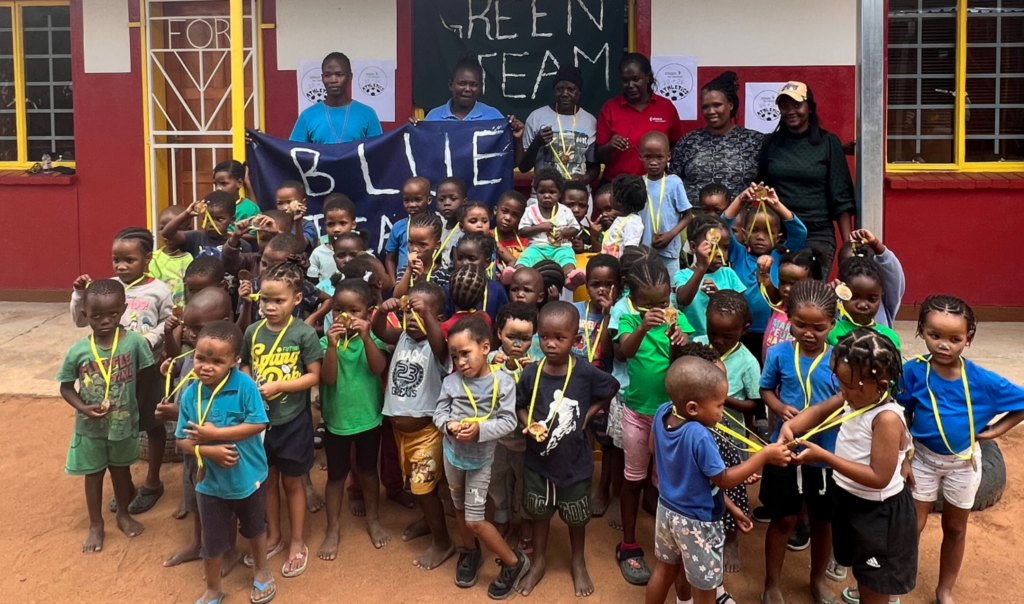
The vegetable gardens at the ECCD centres in particular, along with the healthy diet they provide, are convincing many community members, so that 205 children have now been newly enrolled at the four centres.
The garden as a learning space – through regularly weeding and watering the vegetable gardens, children learn to take care of their own nutrition and assume responsibility.
Health and hygiene
Here, children are introduced to clean hands and using the toilet as early as possible, as well as receiving health check-ups. All enrolled children have already been examined by community health workers to assess their physical development. Hygiene measures in the soup kitchen were discussed with the parents, with the aim of preparing food as germ-free as possible.