 In addition to the four ECCD centres at the project sites Mutare and Mutasa, we are also working with the project communities income-generating activities to improve the financial situation of families. A market analysis identified vegetable growing, beekeeping and poultry and fish farming as promising business fields.
Chickens and honey for families
 In collaboration with the Foundation Help with a Plan we already equipped 500 chickens, sufficient feed and other materials for poultry farming. In a two-day training session, they received information on the care and rearing of the animals. In addition, the poultry farmers formed five groups of twelve members each. All five groups were already able to sell chickens profitably and use the income to increase their poultry stock.
It is encouraging that some of the participating parents have used the sales proceeds earned so far to pay the school fees for their children at ECCD centers and primary school.
A group of twelve women and men received 50 beehives as well as materials for beekeeping and honey production. We are looking forward to the first honey harvest!
More health and protection for children
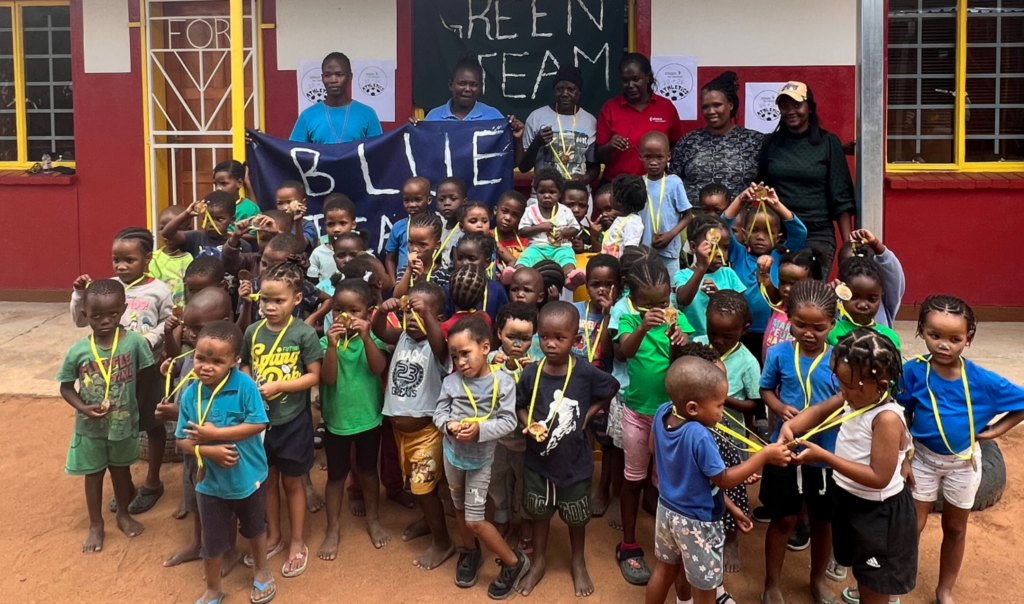
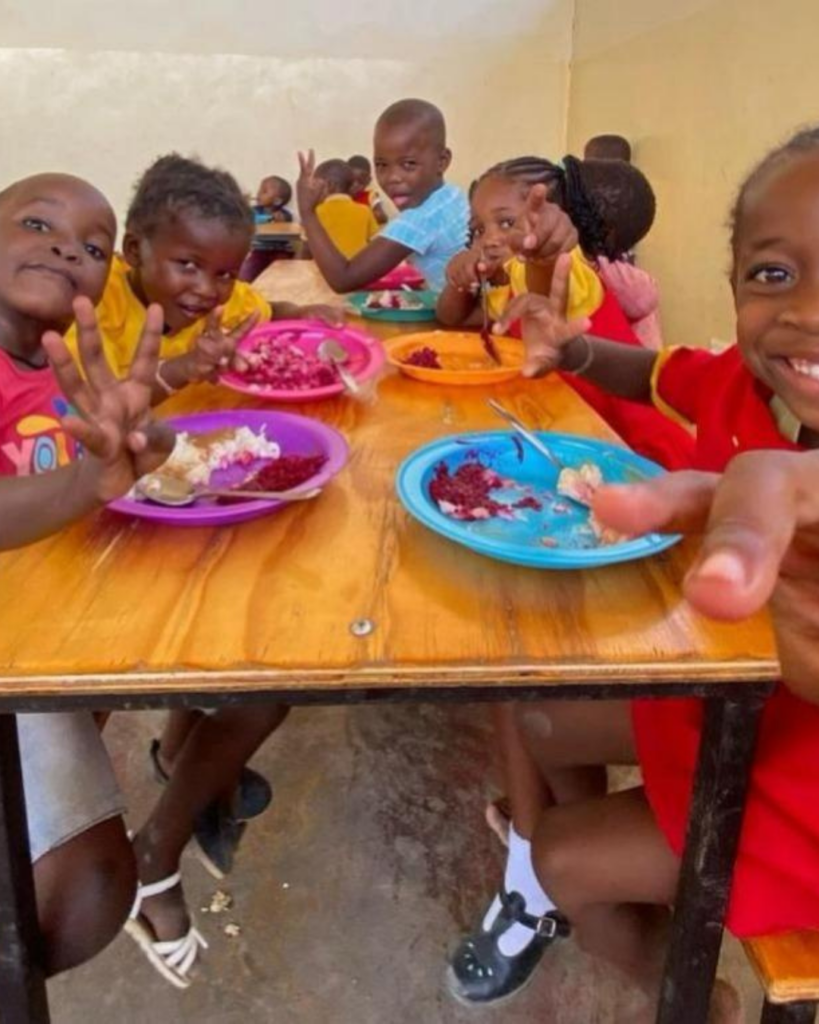
What makes us particularly happy is that we had originally expected 165 children to be the target group of the four new ECCD centers. In the meantime, 192 children are already enrolled there!
With the involvement of the Ministry of Social Affairs and Family, events were held at two ECCD centres to provide information on child protection, positive parenting methods and birth registration. 175 parents and community leaders took part in the events.
[table id=11 /]
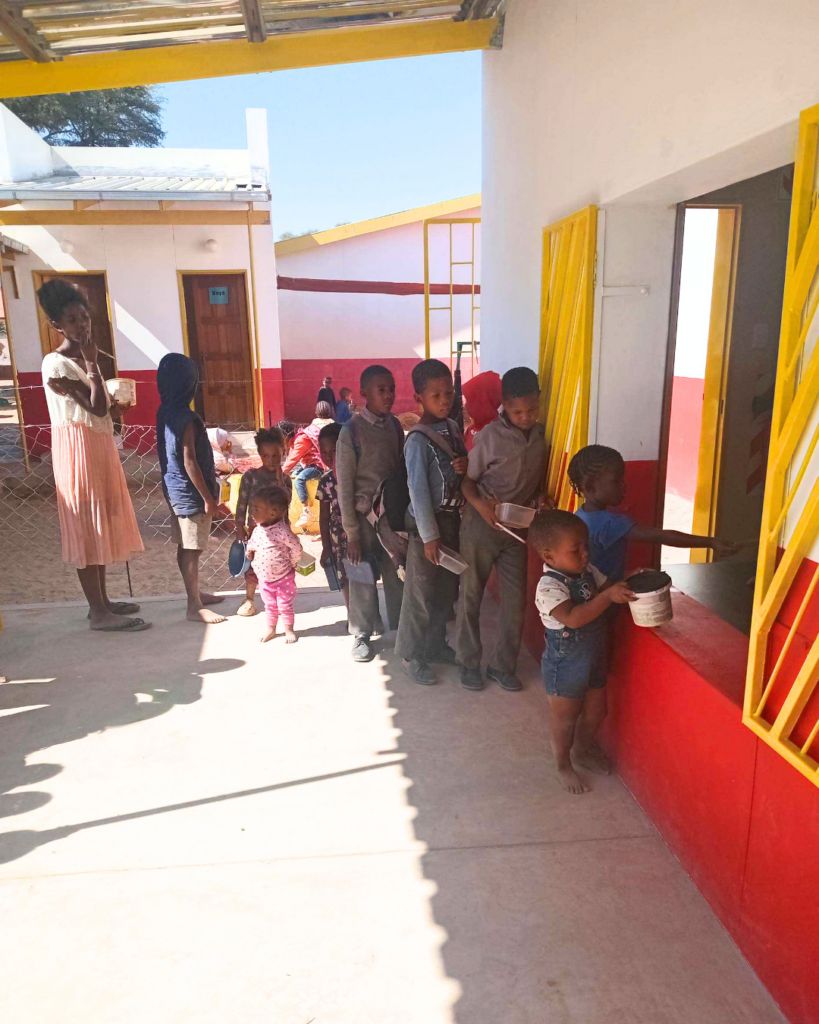
For a sustainable water supply at the ECCD centers, three wells with hand pumps have now also been built and two water tanks have been installed at two centers. Each tank holds 500 liters and supplies the schools with clean drinking water. They also provide water for the planned vegetable gardens. The improved water supply at the schools prevents children from having to walk long distances to fetch water. In addition, the water improves hygiene conditions and helps prevent diseases. Community health workers conducted health checks for the children at two ECCD centers. They assessed the physical development, nutritional status and hygiene practices of a total of 70 preschool children. In addition, the workers provided information on health and hygiene practices as part of events in the communities.
Fortunately, the four ECCD centres were not damaged by the flooding after Cyclone Idai.
It is all the more wonderful to hear about the progress at the ECCD centers and project communities and to support them during the final third of the project period, particularly in establishing income-generating activities.