What is your FSJ in Namibia like?
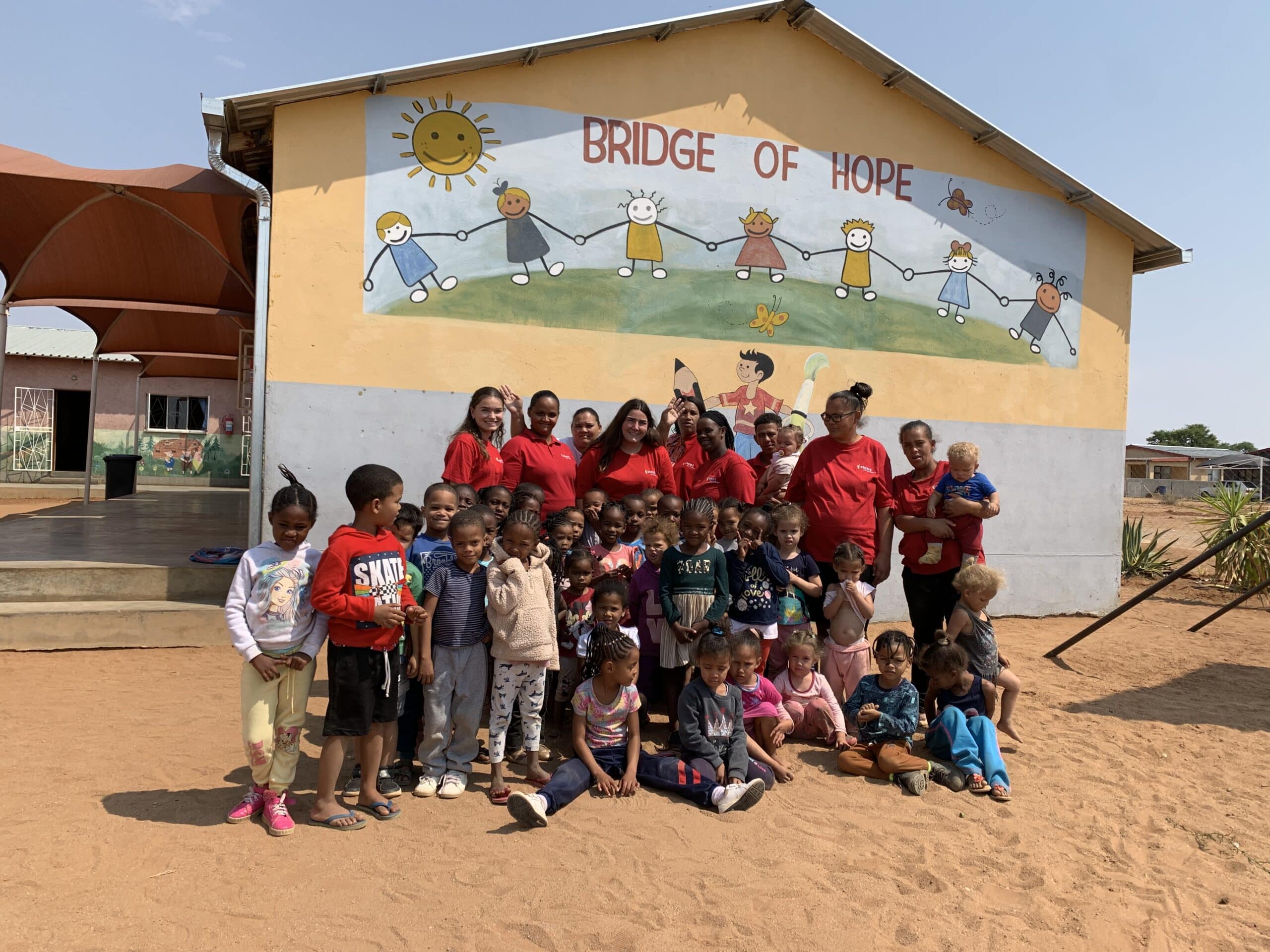
What does your FSJ in Namibia look like? We asked this question to the two volunteers from Rehoboth, who came to Namibia together in August 2022 and began completing their voluntary service with steps for children. They describe what their daily tasks are, what they show the children in preschool, and how they work with them.
Hello, I’m Hanna!
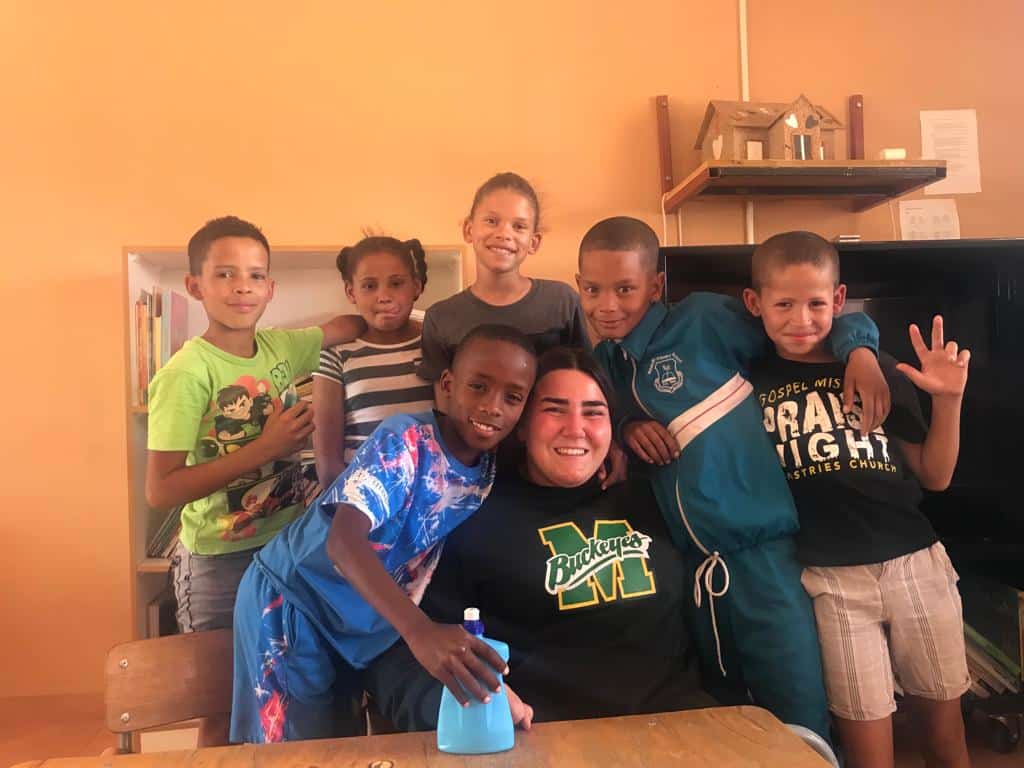
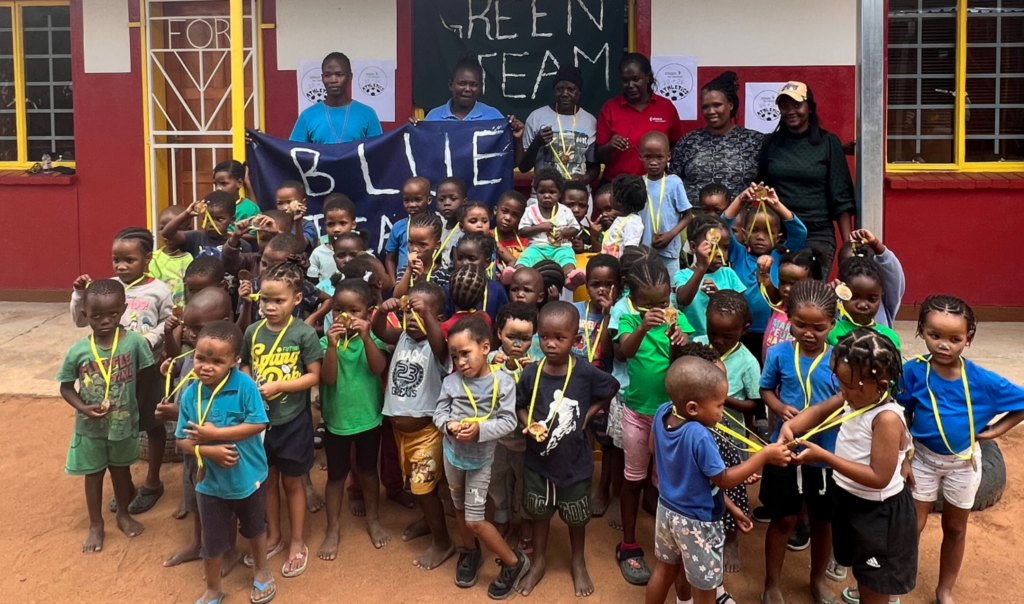
Hanna and the children in afternoon care at our partner project Bridge of Hope. The two volunteers mainly support English.
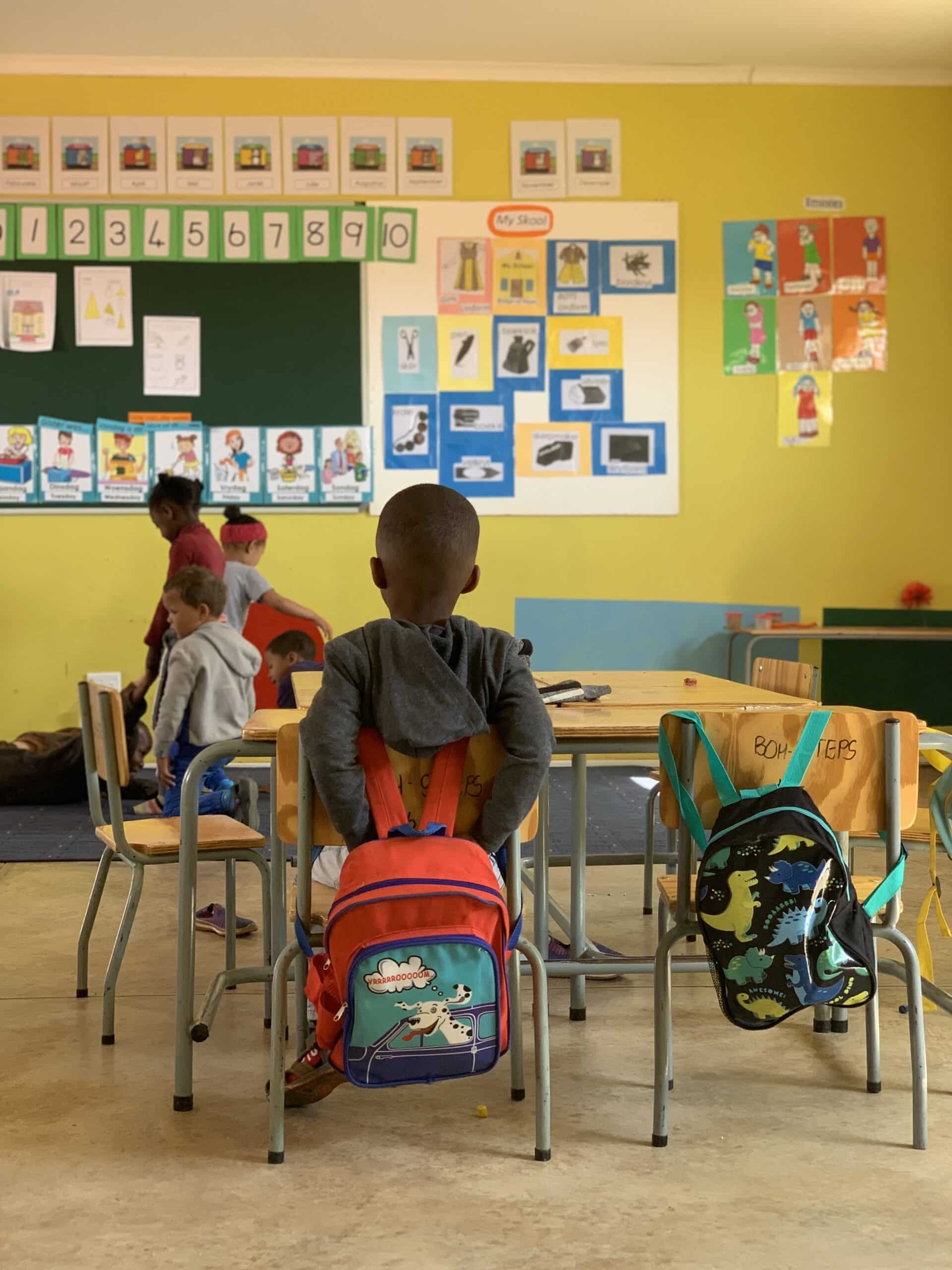
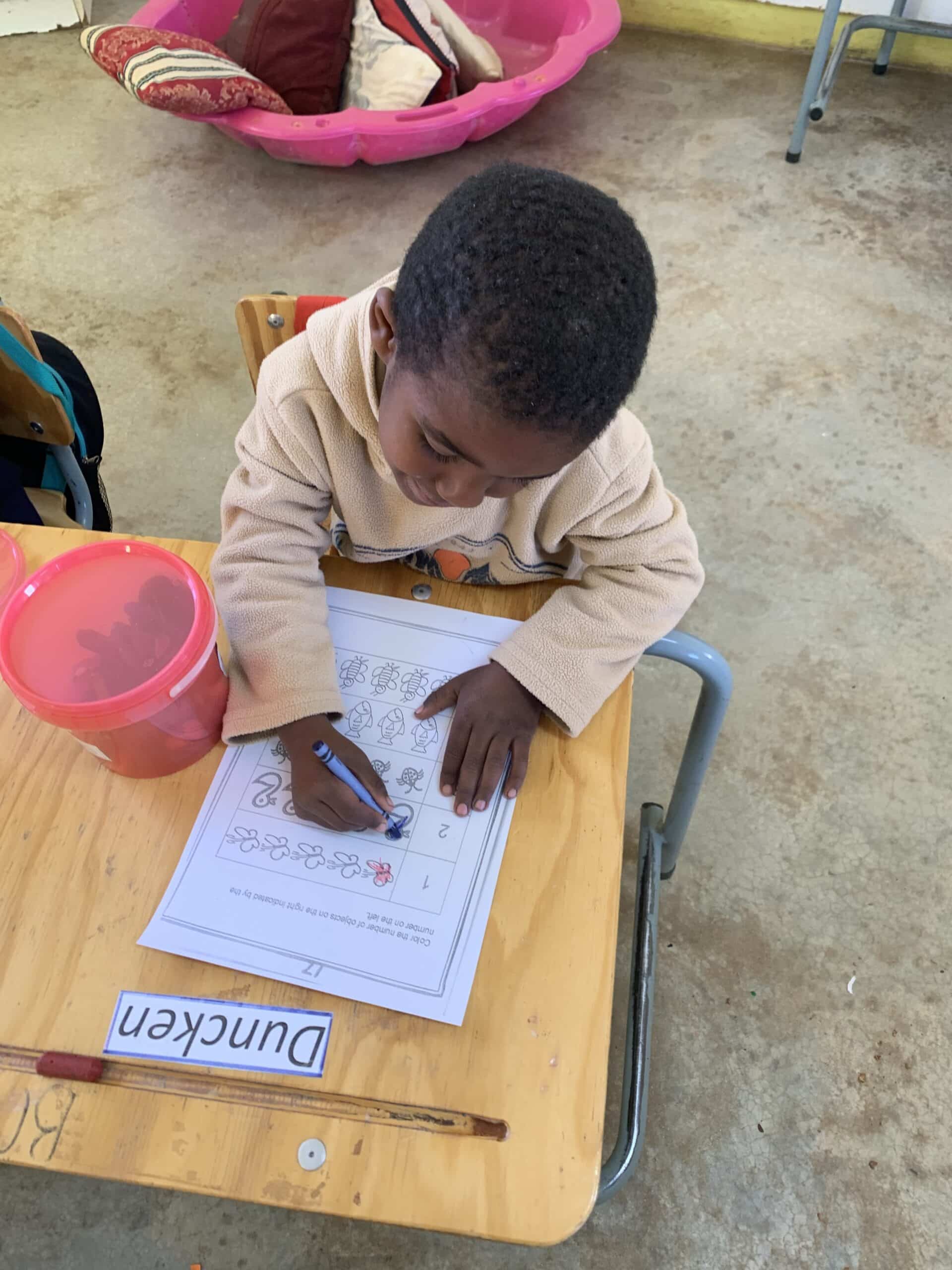
I am completing my international FSJ at the Bridge of Hope placement, which is located in Rehoboth, Namibia. In the mornings, there are children between the ages of 2-6, and in the afternoons older children from first to ninth grade also come. With the younger children, I try to support the teacher as well as possible and help the children with coloring, gluing, or crafts. They are also taught numbers, weekdays, colors, and months in Afrikaans and English. While I still have to learn Afrikaans myself, I can of course provide better support and advice with the English terms.
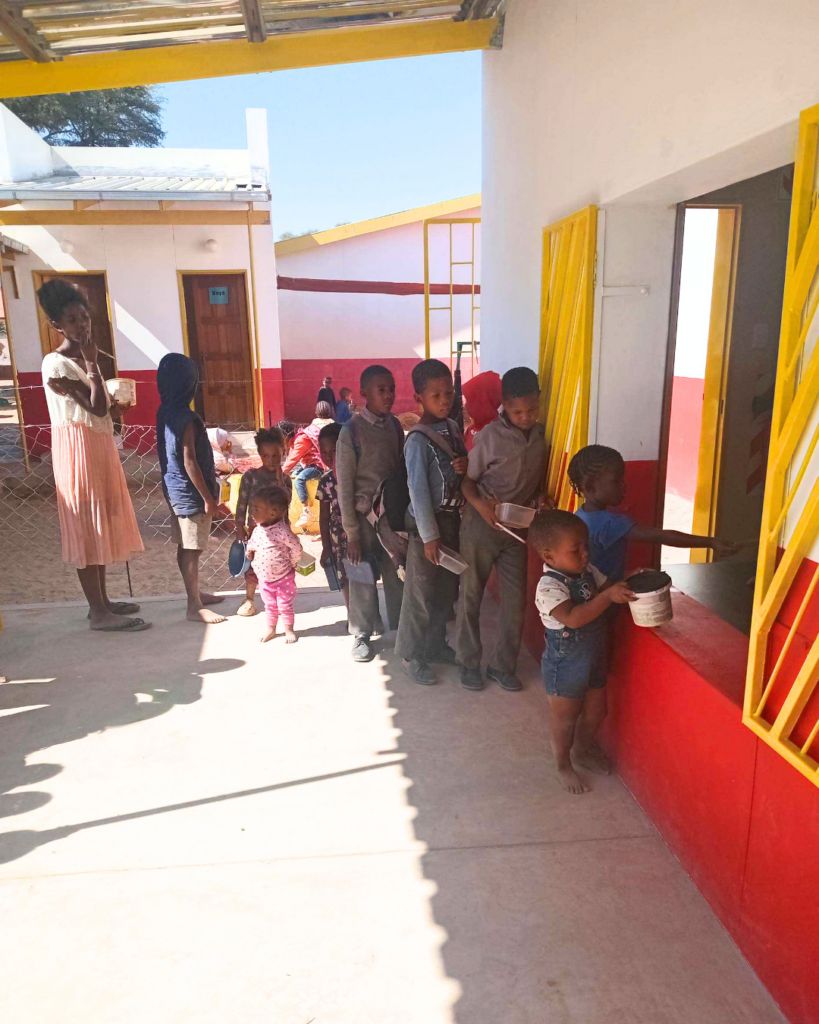
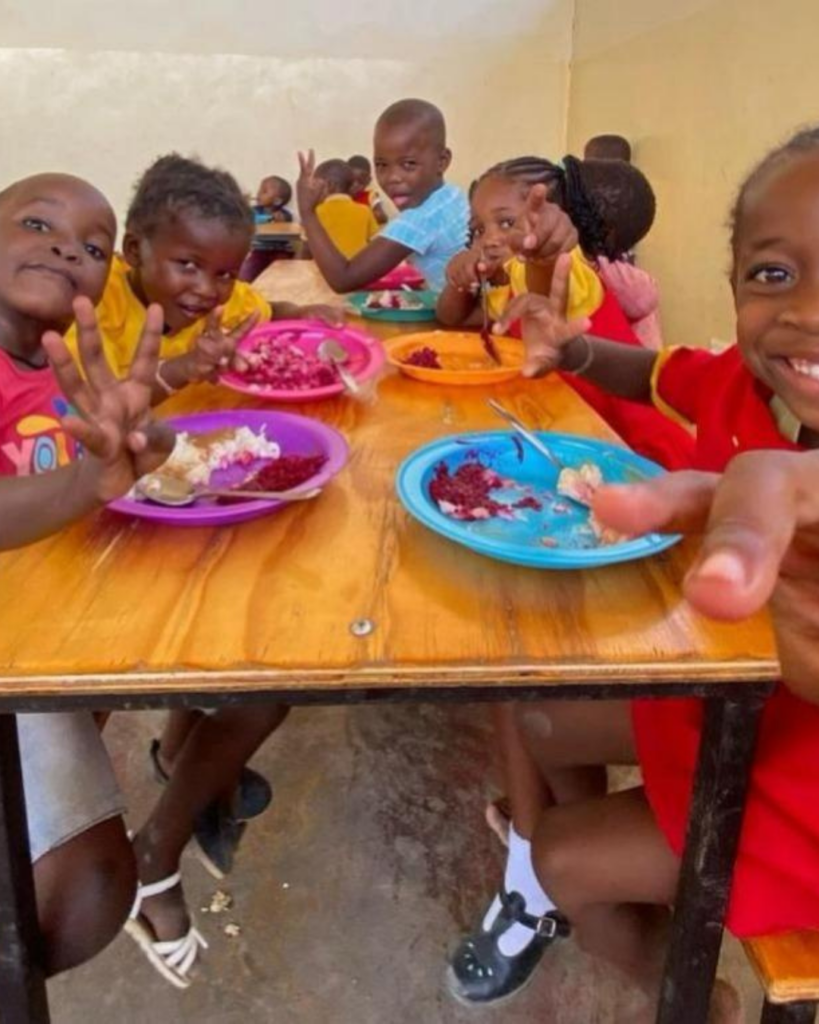
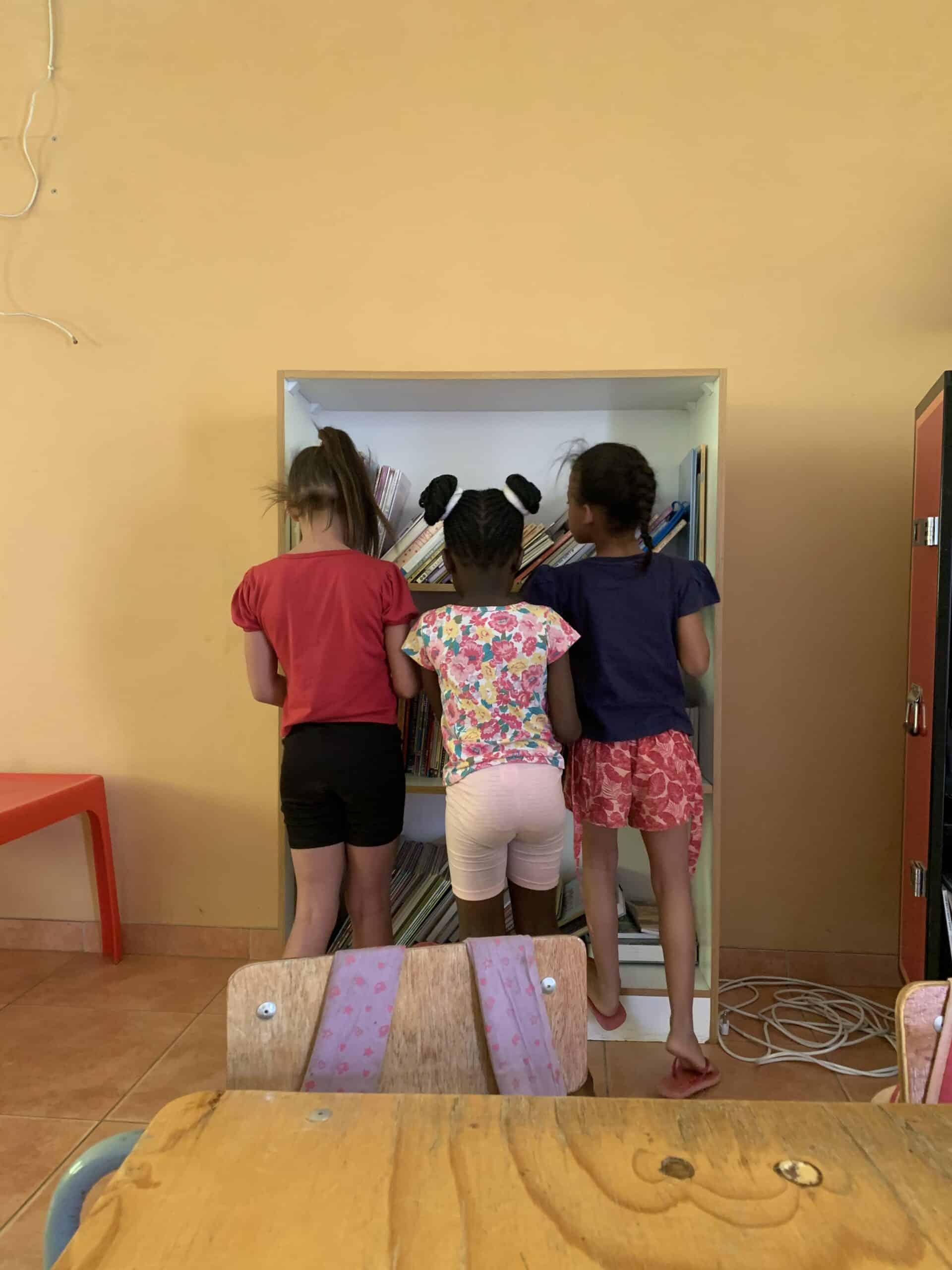
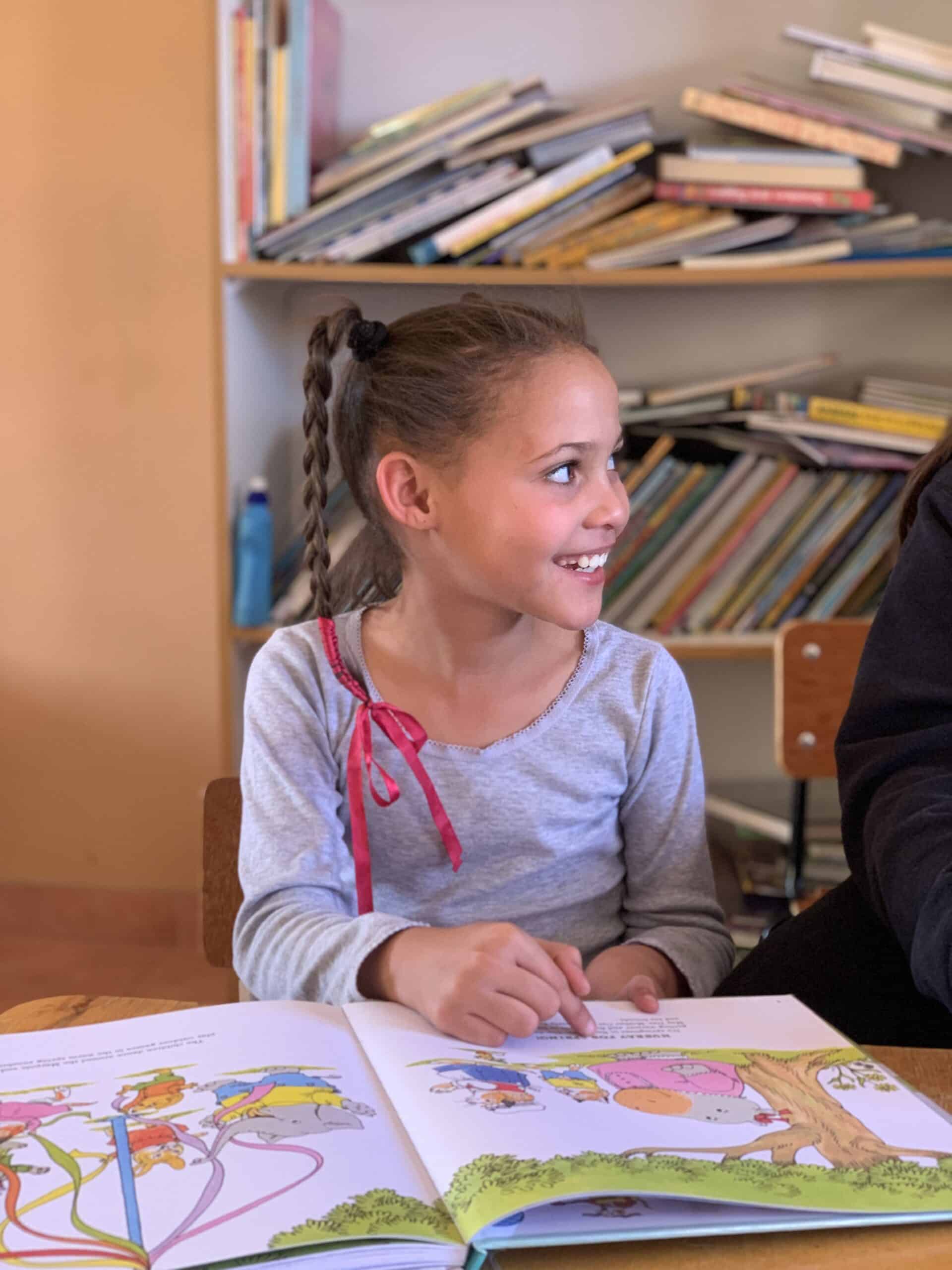
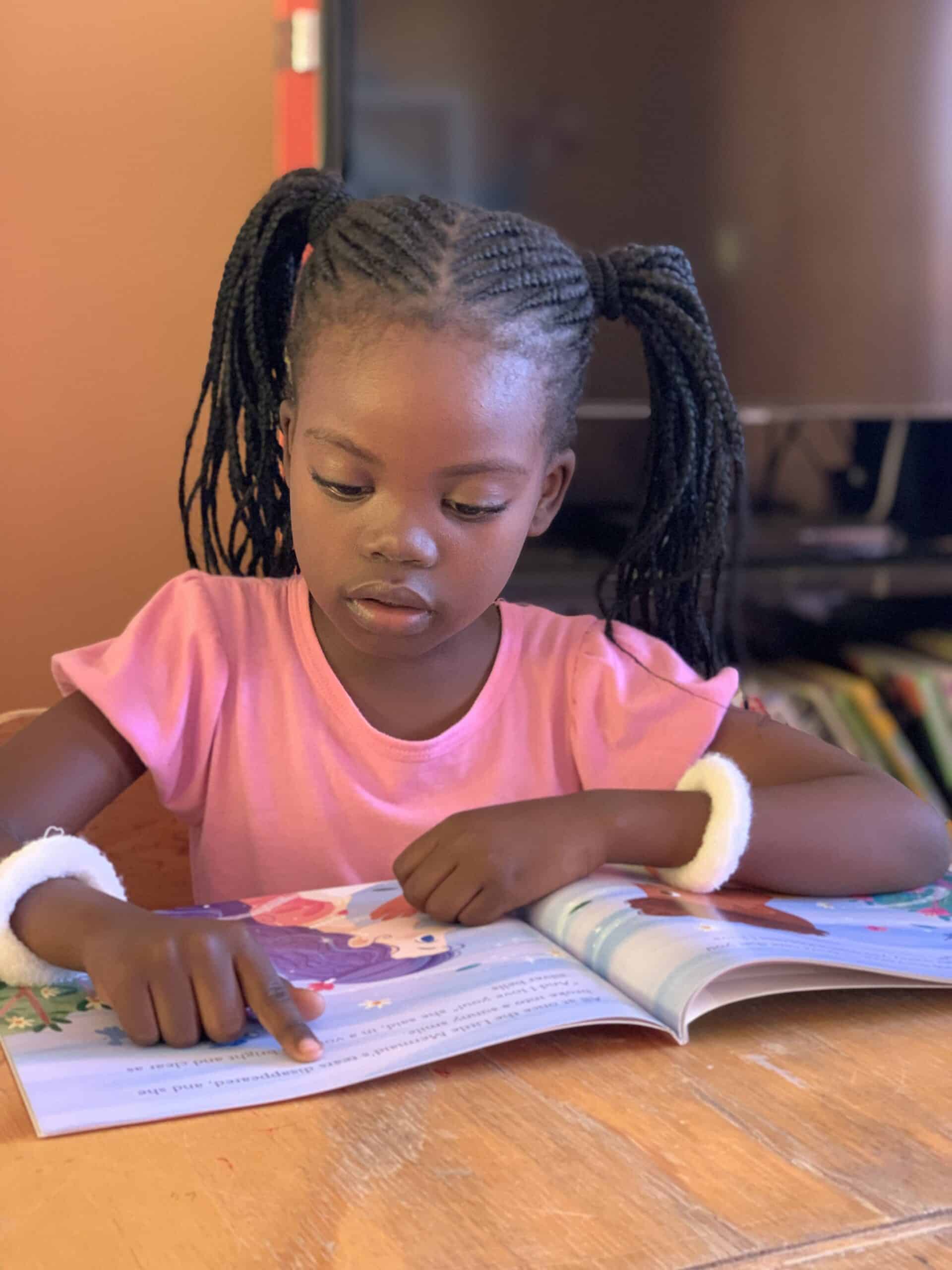
In between, I also help in the kitchen to prepare food for the children. In the afternoons, I support the older children with their homework and especially with reading in English. For this purpose, Liz and I set up a small library and sorted the books by different grade levels. The children then choose a book according to their age and reading level and have to read it aloud to us. I feel very comfortable at Bridge of Hope; the institution is very well organized, and the staff members are super kind and friendly.
Hello, I’m Liz!
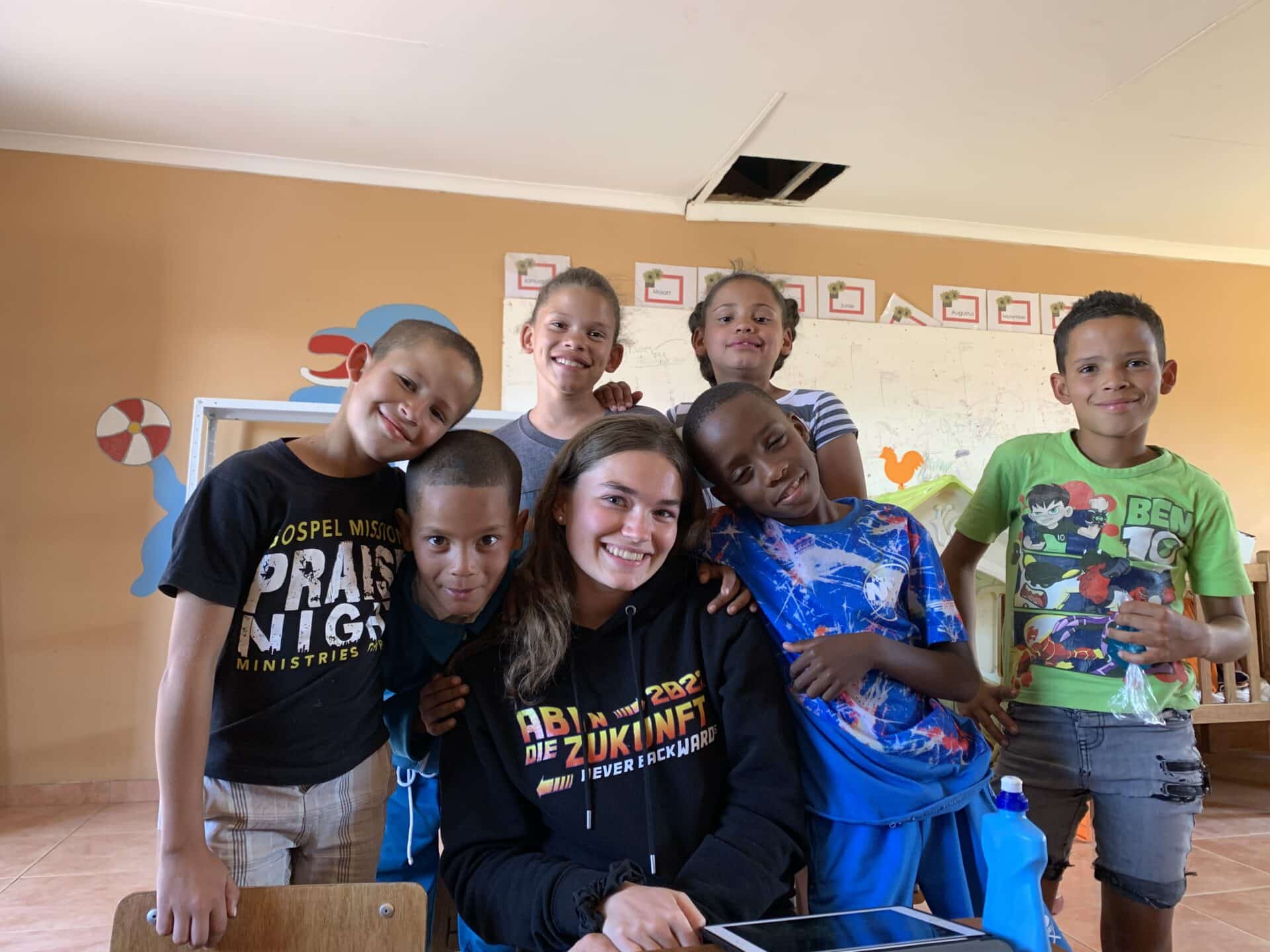
Liz and the after-school kids at afternoon care in Rehoboth, Namibia at our partner project Bridge of Hope.
In Rehoboth, Hanna and I live with two other volunteers who are doing an FSJ with Volunta (Volunta gGmbh, weltwärts sending organisation), in the Block A neighborhood in an apartment located on our landlords' property. The social institution with a kindergarten and preschool, Bridge of Hope, is located in Block D – it is a little farther away, so we have to walk to the project for about 35-40 minutes every morning. Our classes then start at 8 a.m. I am assigned to a class in which 13 children are currently learning. The children are between 4 and 5 years old, and we teach them preschool lessons – that means introducing them to numbers and letters, doing crafts or painting together. At first, I mainly assisted in the lessons. By now, I often teach independently and supervise a small group. Sometimes this is a little difficult because not all the children can speak English. But I have found solutions so that everyone still understands what to do. We also now have Afrikaans lessons once a week, so hopefully communication will soon become easier.
From 12 to 2 p.m. we have a lunch break. But here we also often help in the soup kitchen. From 2 to 4 p.m. the after-school kids arrive. We do homework with them and often read English books, since many children can only read English poorly or not at all. We also practice writing English words with them so that they won’t have such big problems in school in 4th grade, when everything is taught in English. At 4 p.m. our day at Bridge of Hope ends. I feel very comfortable in the project and am already looking forward to the next period!
Dear Hanna, dear Liz, on behalf of the entire steps team, we wish you a wonderful and enriching time in which you can get to know the country of Namibia and the people who live here in all their diversity.
Thank you for your wonderful commitment!